Sensory Corner at Home: Budget-Friendly Sensory Room Ideas for Autistic Kids
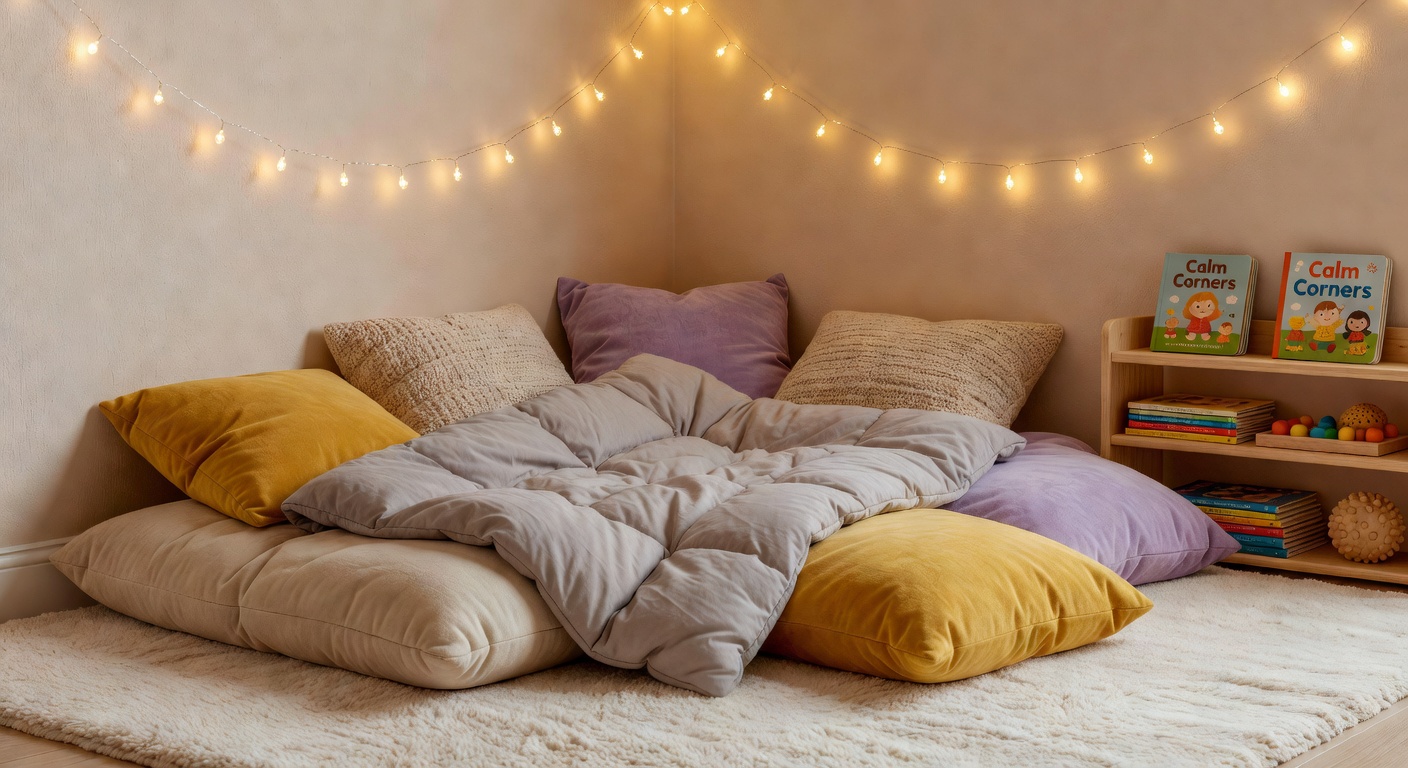
Imagine your child, overwhelmed by the day's chaos, retreating to a cozy nook where twinkling lights dance softly and plush textures invite gentle exploration. In that moment, the world quiets. For parents of autistic children, creating such a sensory corner at home isn't a luxury—it's a lifeline. These spaces offer a calming space for autistic child development, helping regulate emotions, reduce meltdowns, and foster focus amid sensory overload. And the best part? You don't need a big budget or a dedicated room. With smart, affordable tweaks, any closet, corner, or spare space can transform into a haven.
As a parent navigating autism's unpredictable waves, you've likely scoured stores for pricey gadgets. But sensory room ideas budget-friendly style prove that creativity trumps cash. We'll dive into practical steps, from picking autism sensory tools like weighted blankets and textured mats to introducing the space without resistance. Let's build this together—warm, welcoming, and wallet-kind.
Why Every Autistic Child Needs a Sensory Corner at Home
Sensory processing looks different for every autistic kid. Bright lights might pierce like needles; clothing tags could itch like fire ants. A dedicated sensory corner at home meets these needs head-on, providing controlled input to soothe the nervous system. Think of it as a reset button: a place to decompress, self-regulate, and recharge before rejoining family life.
Budget doesn't limit impact. Thrift stores brim with fabrics and pillows; dollar stores stock lights and bins. Parents report kids lingering longer in these spots, emerging calmer, more communicative. It's not magic—it's sensory science, tailored to your home.
The Science of Calm in a Corner
Deep pressure from weights eases anxiety; dim lights reduce visual overload. These elements mimic occupational therapy tools, but at home, they're everyday. Start small: observe your child's cues. Loves spinning? Add a swivel chair. Craves quiet? Layer sound-absorbing blankets.
Planning Your Budget Sensory Room Ideas
No need for renovations. Scout underused spots: a closet floored with cushions, a bedroom alcove curtained off, or a playroom quadrant. Measure twice—aim for 4x4 feet minimum. Budget? Under $100 is doable with DIY flair.
- Location: Low-traffic, near bedrooms for easy access.
- Lighting: Natural if possible, supplemented cheaply.
- Storage: Baskets from dollar stores hide tools neatly.
- Safety: Soft edges, no small parts for younger kids.
Sketch it out. Pinterest sparks ideas, but personalize: if your child adores blue, flood the space with it. This ownership builds buy-in from day one.
Top Autism Sensory Tools for a Calming Space
Focus on multi-sensory stars: tactile, visual, proprioceptive. Here's your shopping list, heavy on thrift and DIY.
Weighted Blankets and Deep Pressure Essentials
Nothing rivals a weighted blanket for instant calm. Skip $50+ buys—DIY one with a twin sheet ($5) filled with rice bags or pool noodles ($10 total). Sew or tie shut for 5-10% of body weight. Alternatives: lap pads from folded towels, or compression vests from old hoodies.
Lighting Magic on a Dime
Harsh fluorescents? Out. Fairy string lights ($5 at discount stores) or battery LED projectors ($15) cast soothing galaxies. Lava lamps from thrift shops ($3) bubble hypnotically. Blackout curtains ($10 panels) control daylight, creating twilight bliss anytime.
Textures and Tactile Treasures
Variety rules: silky scarves, bumpy stress balls, furry rugs. Raid fabric remnants ($1/yard) for a "texture wall"—velcro squares for swapping. Sensory bins shine: plastic tubs ($2) with rice, beans, or water beads (dry them post-play). Add scoops, hidden toys for discovery digs.
Movement and Proprioception Boosters
Crash pads from layered blankets and mats ($20 thrift haul). Therapy balls ($15 deflated versions work). A hanging pod swing? DIY with sturdy fabric and ropes if ceiling-safe ($25). Fidget spinners and chew necklaces from dollar aisles keep hands busy.
Sound? White noise apps on an old phone; soft blankets muffle echoes.
Setting Up Your Sensory Corner: Step-by-Step
- Base layer: Floor cushions or futon mattress for comfort.
- Walls: Hang fabrics, lights, textures at kid height.
- Tools: Rotate weekly to maintain novelty.
- Personalize: Photos, favorite colors spark connection.
- Test: Sit with your child; adjust for preferences.
Total cost: $50-80. Time: one afternoon. Watch the transformation as fidgeting fades into focused play.
Introducing the Calming Space for Your Autistic Child
Resistance is normal—change feels big. Ease in with playdates: "Let's explore our new cozy spot!" Model use first, burrowing under the blanket together. Use visuals: picture schedules showing "sensory time" before meals or bed. Praise independence: "You found your calm place—great job!"
If meltdowns hit nearby, guide gently: "Want to visit the twinkly corner?" Consistency builds habit. Track wins in a journal—what tools soothe fastest? Adapt as needs evolve.
A sensory corner isn't built once; it's loved into being, one quiet moment at a time.
Maintenance, Expansion, and Long-Term Wins
Weekly refreshes keep magic alive—swap rice for kinetic sand. Involve siblings for shared calm. As budgets grow, upgrade to commercial tools, but basics endure.
You'll notice ripples: fewer outbursts, better sleep, brighter smiles. This sensory corner at home empowers your child—and you. In the quiet glow of fairy lights, amid soft textures, you've crafted not just a space, but a sanctuary. Start today. Your family deserves it.
