When Sleep Won't Come: 7 Proven Sleep Strategies for Autistic Children
It's 2 a.m. The house is silent except for the soft patter of feet down the hallway. Your heart sinks as your autistic child appears in the doorway, wide-eyed and wired, asking for "just one more story" or fixating on a light flickering from the neighbor's porch. You've tried everything—warm milk, lullabies, even counting sheep—but sleep remains elusive. You're bone-tired, running on fumes, wondering if you'll ever get a full night's rest again.
If this scene feels ripped from your life, you're in good company. Sleep struggles affect a significant portion of autistic children, turning bedtime into a nightly battleground. But here's the lifeline: there are practical autism sleep solutions that work. Let's tackle this together, step by step, with empathy for your exhaustion and strategies rooted in what helps real families find peace at night.
Why Sleep Strategies for Autistic Children Are Different
Before diving into fixes, understanding the "why" unlocks better helping your autistic child sleep. Autism often rewires the body's sleep machinery in key ways.
Melatonin Mayhem: The Biological Clock Challenge
Melatonin, the hormone that signals "time to sleep," doesn't always flow on schedule for autistic kids. Research shows many produce less of it or release it later, delaying sleep onset by hours. It's not laziness or defiance—it's biology throwing curveballs.
Sensory Sleep Issues: Overload in the Dark
Sensory sensitivities amplify everything. The hum of the AC feels like a freight train. Tags on pajamas itch like fire ants. Streetlights piercing curtains? Instant alert mode. These sensory sleep issues keep little bodies in high gear, fighting rest.
Anxiety and Routine Rigidity
Anxiety loops through the mind like a stuck record, fueled by uncertainty. Autistic children thrive on sameness, so any bedtime hiccup—a changed dinner time or guest in the house—sparks resistance. Pair that with rigid thinking, and winding down becomes war.
Grasping these roots transforms frustration into targeted action. Now, let's arm you with sleep strategies for autistic children that address them head-on.
7 Proven Sleep Strategies for Autistic Children
These autism sleep solutions aren't quick fixes—they're sustainable shifts, drawn from what parents and experts see working consistently. Start with one or two, layer in more, and track what clicks for your child.
1. Build a Rock-Solid Autism Bedtime Routine
Predictability is gold. Craft a visual autism bedtime routine: bath at 7, pajamas at 7:15, story at 7:30, lights out at 8. Use picture cards or a laminated schedule on the wall—your child can "check off" steps, reducing anxiety.
- Keep it 30-45 minutes long, same order nightly.
- Dim lights early to cue melatonin.
- Avoid screens 1-2 hours before—blue light blocks that sleepy hormone.
One mom shared how her son's meltdowns dropped once the routine became non-negotiable. Yours can too.
2. Tackle Sensory Sleep Issues with a Cozy Fortress
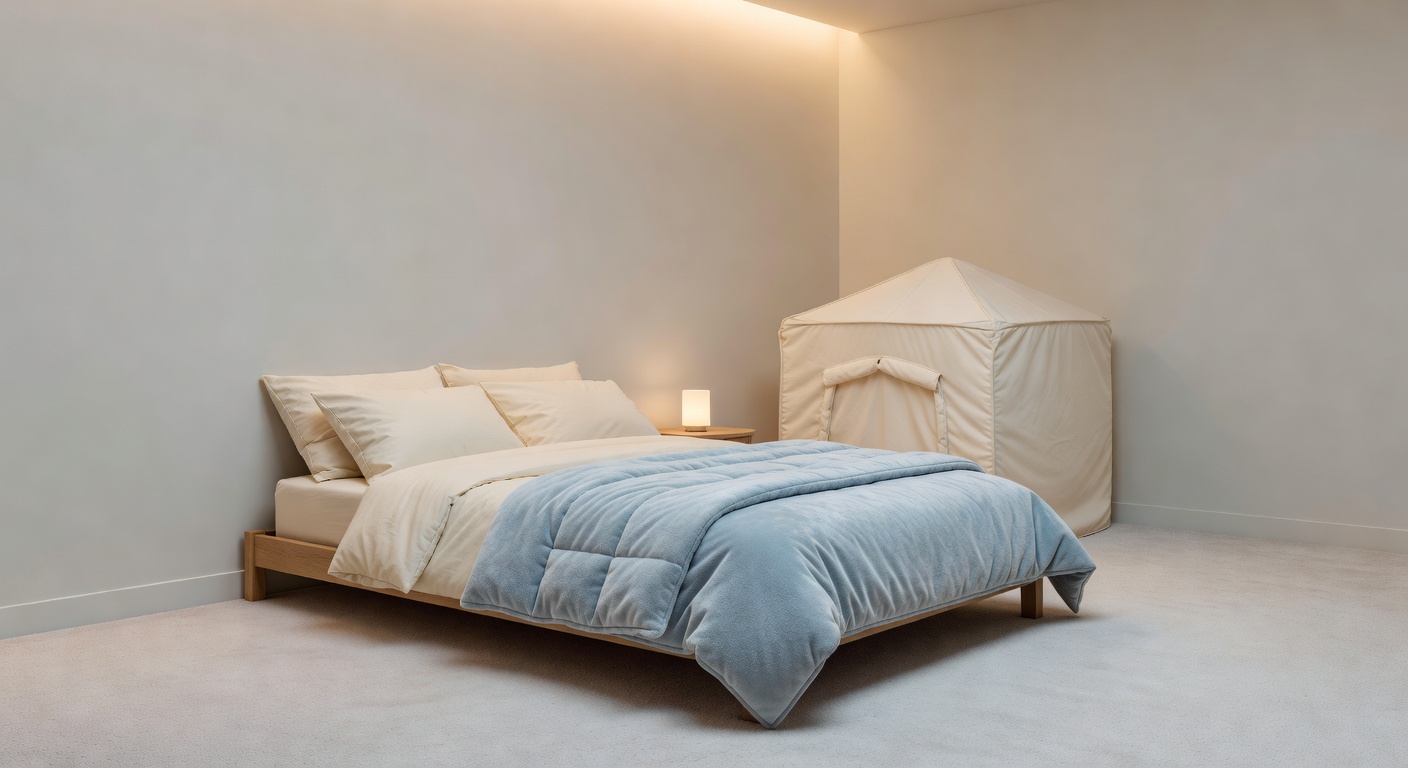
Turn the bedroom into a sensory haven. Blackout curtains block intrusive light; soft, tag-free sheets soothe skin. For next-level calm, consider a sensory blackout tent. It creates a private, light-free pod that many autistic kids crave, muffling sounds and providing gentle enclosure without overwhelm.
Pro tip: Test textures during the day so night feels familiar, not startling.
3. Harness the Power of Weighted Blankets
Deep pressure therapy from weighted blankets mimics a hug, lowering cortisol and boosting serotonin for easier sleep. Opt for one 10% of your child's body weight, like those from Harkla weighted blankets, designed with autism in mind—removable covers, breathable fabrics.
- Introduce gradually: 10 minutes daytime first.
- Pair with favorite stuffed animal for emotional anchor.
- Not for kids under 30 lbs or with certain conditions—check with doc.
4. Layer in Calming Sounds and Fun Sensory Tools
White noise machines drown out chaos, while chews or fidget tools from Fun and Function redirect pre-bed energy. Think vibrating pillows or soft squeeze balls—tools that ground without stimulating.
A steady rain sound or ocean waves app sets the tone. Volume low, consistent every night.
5. Time Daylight Activity for Nighttime Wins
Exhaust the body, not just the mind. Morning walks, afternoon swings, or sensory bins build sleep pressure. Aim for 60 minutes daily movement, avoiding roughhousing post-5 p.m. which revs up the system.
Natural light exposure morning sharpens circadian rhythms—open curtains at breakfast.
6. Explore Melatonin with Professional Guidance
Since natural levels lag, doctor-approved melatonin can bridge the gap. Start low (0.5-1mg), 30 minutes before bed, in gummy or melt form for picky eaters. Track sleep logs to adjust.
Always pair with behavioral strategies—it's a tool, not a solo act.
7. Master the Pre-Sleep Wind-Down Ritual
Ease from day to night with dimmed "twilight" lamps, progressive muscle relaxation (tense toes, release), or lavender mist (if scents are tolerated). Reading the same calming book nightly builds association—think repetitive rhymes that soothe rigid minds.
Stay firm yet gentle: "Routine time now." Consistency compounds.
From Sleepless Nights to Emotional Balance
Sleep deprivation doesn't just tire you—it fuels meltdowns. A rested autistic brain regulates emotions better, cuts anxiety spikes, and sharpens focus. Implementing these sleep strategies for autistic children often reveals calmer days, as if flipping a switch.
You've got this. Start tonight with the bedtime routine tweak or that weighted blanket trial. Small wins stack up.
Ready for More Insights?
Uncover how sleep ties into bigger picture behaviors. Take our free quiz: What's Really Behind Your Child's Meltdowns? Discover personalized tips linking rest to regulation—in just 3 minutes.
Your path to peaceful nights starts here. You've earned the rest.
