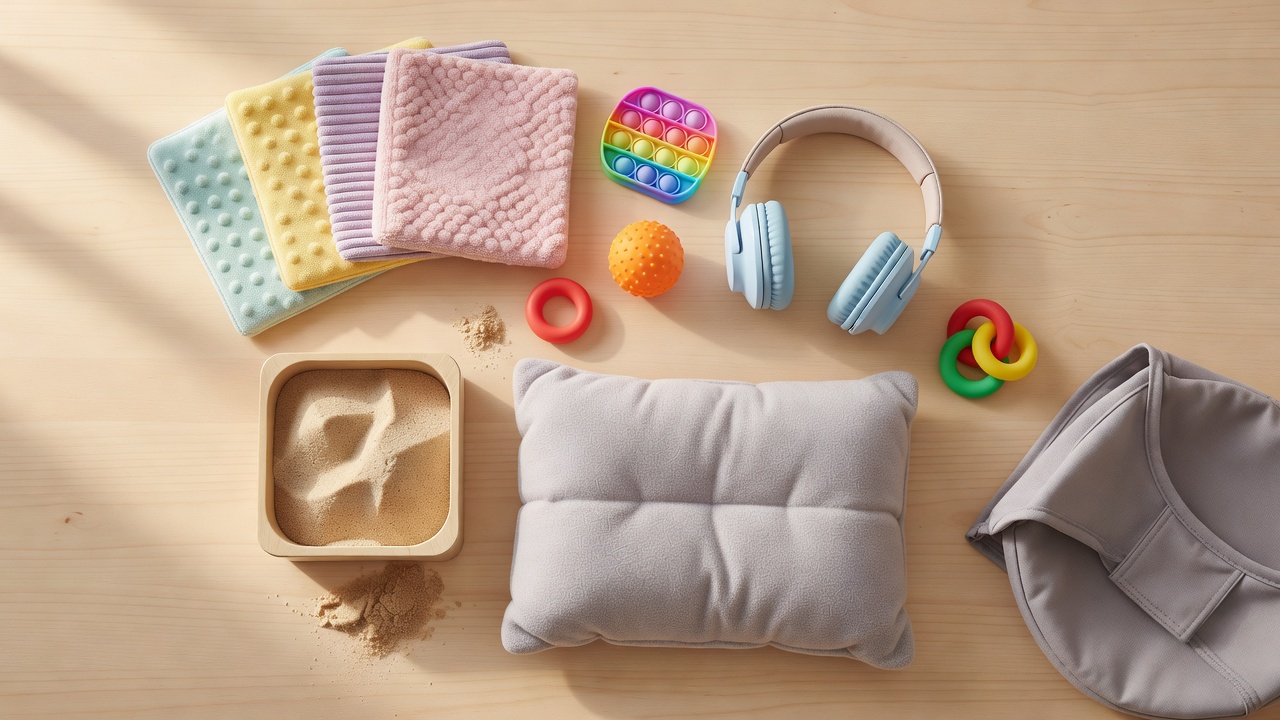
Top 10 Sensory Tools for Autistic Kids: Essential Aids for Calm and Sensory Regulation
Navigating the Sensory World of Autism
Picture this: the school bell shrills like a siren, fluorescent lights buzz overhead, and the chatter of classmates swells into a chaotic roar. For many autistic children, everyday environments explode into sensory overload, sparking meltdowns or shutdowns that leave parents heartbroken and searching for relief. Sensory tools offer a lifeline—a quiet anchor in the storm, helping kids regulate their nervous systems and reclaim moments of peace.
Autism often reshapes how the brain processes sights, sounds, touches, smells, and tastes. What feels neutral to others might overwhelm an autistic child, leading to anxiety or distress. That's where these top sensory tools for autistic kids shine. They're not just toys; they're bridges to self-regulation, fostering calm amid the chaos. As a parent, discovering the right ones can transform daily routines, from bedtime battles to playground overwhelm.
Why Sensory Tools Are Game-Changers for Regulation
Sensory integration plays a pivotal role in emotional stability. Tools providing deep pressure, rhythmic movement, or soothing input mimic natural calming techniques, signaling the body to relax. Think of them as personalized reset buttons: a weighted hug quiets the fight-or-flight response, while fidget gadgets channel restless energy. Parents often notice quicker transitions, fewer outbursts, and brighter smiles when these aids become part of the toolkit.
The beauty lies in customization. Every child is unique—what soothes one might not suit another. Start small, observe reactions, and build a sensory diet tailored to their needs. Occupational therapists frequently recommend these essentials, blending play with purpose for long-term gains.
The Top 10 Sensory Tools for Autistic Kids
Dive into our curated list of the most effective sensory tools. Each one targets specific needs, backed by widespread use in homes and therapies. We've prioritized versatility, safety, and ease of integration into daily life.
1. Weighted Blankets
A cornerstone of sensory support, weighted blankets deliver deep pressure therapy, mimicking a firm hug to ease anxiety. Ideal for bedtime or during overwhelming episodes, they promote serotonin release for deeper calm. Choose one weighing 10% of your child's body weight for optimal effect—parents rave about transformed sleep routines.
2. Noise-Canceling Headphones
Crowded stores or classroom din? These headphones muffle the world, carving out a personal quiet zone. They're a must for auditory sensitivities, allowing kids to focus without shutdowns. Look for child-sized, comfortable models with soft padding for all-day wear.
3. Fidget Toys (Spinners, Cubes, and Poppers)
Restless hands find purpose here. Fidget spinners whirl away tension, cubes offer tactile clicks, and poppers satisfy popping urges. Portable and discreet, they're perfect for school desks or car rides, channeling hyperactivity into focused play.
4. Chewelry and Chewy Tubes
For oral sensory seekers, chewable necklaces or tubes provide safe outlets for biting urges. They reduce anxiety, improve focus, and prevent unsafe chewing on clothes or pencils. Silicone designs withstand tough jaws while being stylish and inconspicuous.
5. Sensory Swings or Hammocks
Vestibular input through gentle swaying calms the inner ear's frenzy. Indoor hammocks or net swings create cozy nests for decompression, blending movement with security. Hang one in a playroom for endless hours of self-soothing swings.
6. Tactile Sensory Bins
Fill a bin with rice, kinetic sand, or slime for hands-on exploration. Bury treasures to encourage digging, satisfying touch cravings while sparking imagination. Easy to DIY or buy ready-made, they're mess-contained adventures in texture heaven.
7. Compression Vests or Body Socks
Like wearable weighted blankets, these provide all-over pressure to ground wandering sensations. Vests zip up for school; body socks transform into stretchy cocoons for home. They excel during transitions, offering instant body awareness.
8. Liquid Motion Toys and Glitter Jars
Mesmerizing bubbles or swirling glitter captivates visual processors, slowing racing minds without screens. Shake a jar to watch colors dance—a portable trance for waiting rooms or meltdowns. Their hypnotic flow rivals any lava lamp.
9. Therapy Balls and Rocking Chairs
Bouncing on a ball or rocking in a curved chair delivers proprioceptive feedback. These build core strength while regulating arousal levels, turning wiggles into purposeful motion. Great for homework nooks or sensory corners.
10. Crash Pads and Foam Mats
For crashers craving heavy input, thick pads invite safe jumping or rolling. They absorb energy, preventing injuries while fulfilling deep muscle needs. Roll them out for "heavy work" sessions that leave kids blissfully spent.
Building Your Child's Sensory Toolkit
These top sensory tools for autistic kids aren't one-size-fits-all, but experimenting reveals powerhouses. Create a sensory space at home—a tent stocked with favorites for on-demand relief. Track what works in a journal, noting triggers and triumphs.
Consult occupational therapists for personalized picks, ensuring safety and age-appropriateness. With patience, these aids empower your child to navigate their world with growing confidence.
In the end, it's about connection: seeing your child's calm emerge like sunlight through clouds. Equip them well, and watch resilience bloom. You've got this— one sensory win at a time.
